
5 powerful ways to instill an attitude of Gratitude in children

28.05.20 03:28 AM - Comment(s) - By Sheeba Kumar

A study conducted by Dr. Robert A. Emmons, the world's leading scientific expert on gratitude,  reveals that cultivating gratitude can increase happiness levels by around 25 percent.

Just imagine how extraordinary our lives would be if we adopted this attitude and passed it on to our children.

Gratitude is powerful for children, and it can have lasting effects. However, not all children are aware of this. Most of the children lead very busy lives. As such, there may be little or no time for them to pause, and to take stock of the various enriching experiences that lead to their fulfillment. We can encourage and engage our children in meaningful and powerful practices and other learning opportunities.
Research shows that kids who count their blessings reap amazing benefits, including experiencing less depression and greater life satisfaction.

The best gift you can give our children is to instill an attitude of gratitude, help them learn to appreciate their capacities and to be thankful for the joys of life.

Here are some practical approaches to help children embrace, cultivate and express gratitude.

Be a Role Model

When is the last time you said thanks to your spouse or child?

Children learn best by watching their parents model gratitude, on a regular basis. One of the best ways we can encourage gratitude in our children is to model a grateful disposition ourselves. It’s so important to model and teach saying “Thank You”. There are countless opportunities every day for us to model gratitude for our children everyday . When our children see us expressing sincere gratitude to our family members, community helpers and others, they will be more inclined and motivated to make gratitude a lifelong habit.

Involve children in household chores

Is your child grateful for the meal you cook?


It is very important for the children to be aware of the effort someone else went through to give them the things they need, want and desire for and that is a part of teaching them the value of gratitude.  So, involve your child in family tasks so that they can see this effort. By encouraging the children to help out with age-appropriate household chores, such as washing the dishes, clearing off the dinner table, sorting or  folding the laundry, your child realizes that it takes effort and that he or she should not take things for granted. It is a great way to teach responsibility around the house
Encourage children to volunteer for community service

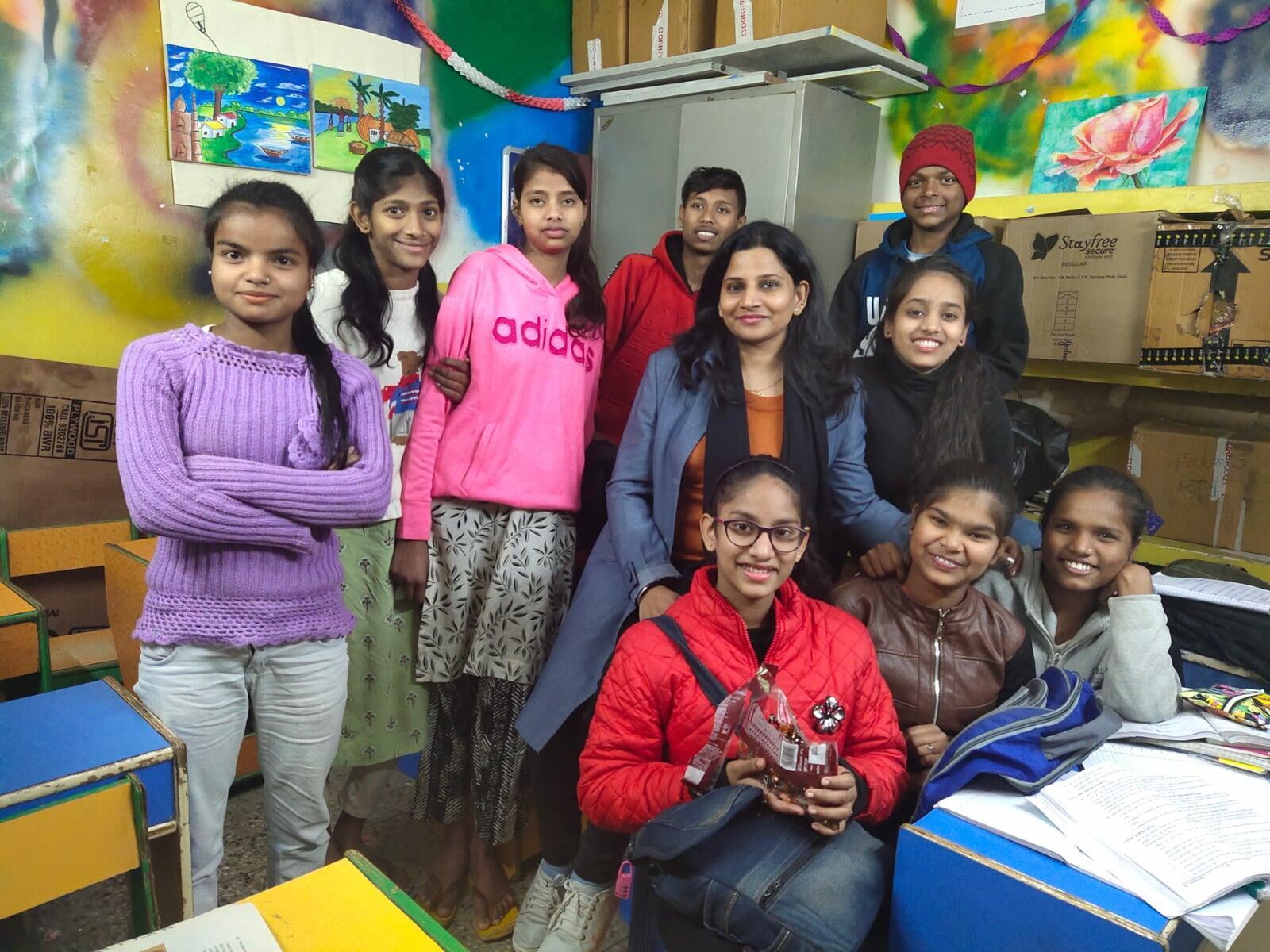
Involve children in community service by encouraging them to serve meals or donate things at a homeless shelter, senior citizen centre or other places where their presence and contributions will make a difference. It will be so much fun and open their eyes to the world around them. They will eventually understand the value of good things they have and the many blessings they have. Encourage children to do it regularly Encouraging these social skills among your children will help them develop a sense of gratitude. Doing charity work for the less fortunate will inspire your children to become generous and help them understand how fortunate they are for everything they have, whether it be a roof over their heads, clothing, toys or a loving family.

Make it a family ritual

What makes dinner special at your house?

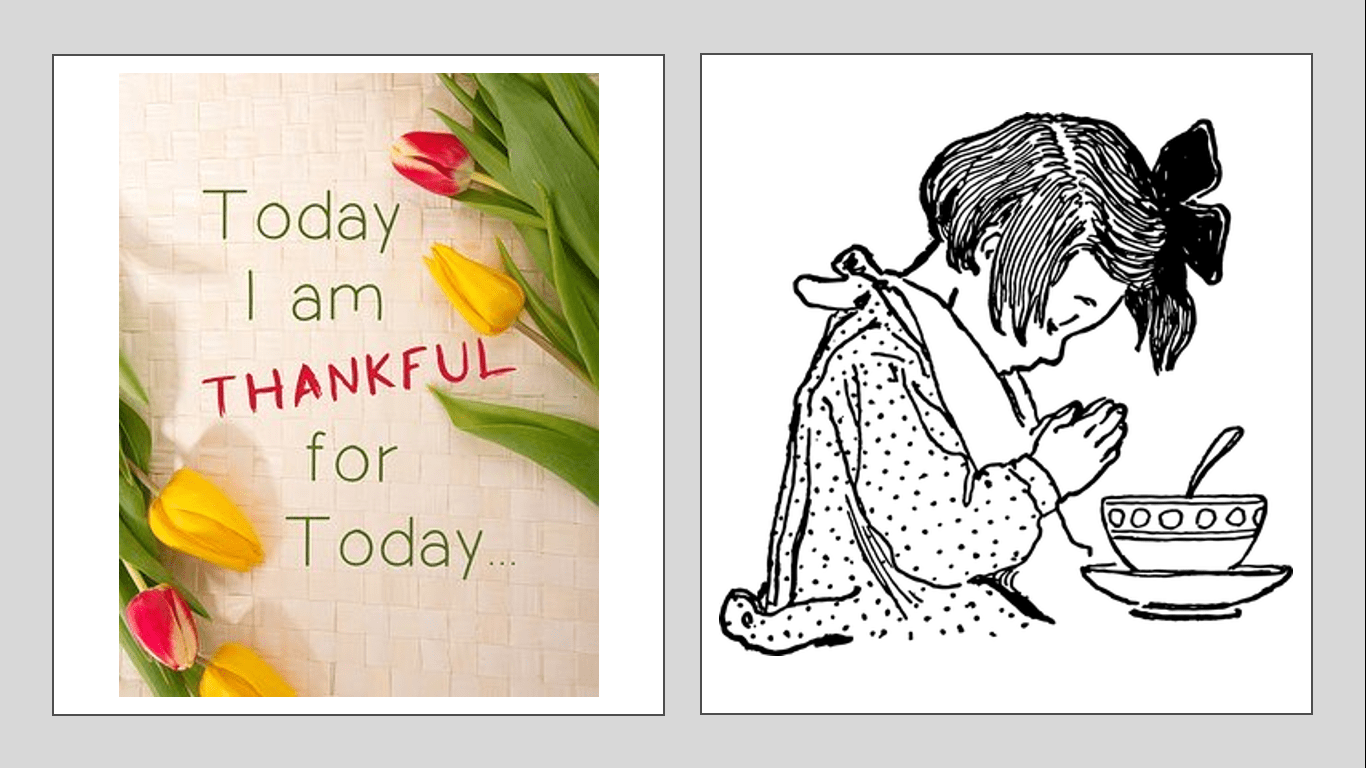
Asking children to name at least five things for which they are grateful for the day at dinner time is a good way to encourage them to count their blessings and feel grateful for everything in life. Be sure to set time aside for face-to-face interaction with your child.
Encouraging children by asking simple, thought-provoking questions is a great way to help them appreciate everything in life. Ask your children questions that will encourage your kids to focus on what is good, rather than what is bad.
Research shows that adults, children and adolescents who express gratitude every day are happier, healthier, more content, more optimistic, and more likely to be helpful to other people in every way.

Encourage children to write Gratitude Journal

What if your kids develop a life-transforming habit that could help them be happier throughout their lives? What better than a Gratitude Journal?

This is a great practice all the way from toddler scribbling to teenage reflections. Help your kids create their own gratitude journal and write down the things that they are grateful for each day and add a drawing or picture that is cut out of magazines. This activity not only emphasizes writing skills, but helps kids focus and record the positive events of their lives. Studies have shown that this exact activity has tremendous benefits for physical health and psychological well-being!

Here are few prompts to help kids phrase their grateful thoughts:
a. I acknowledge and appreciate…
b. I am really grateful for…..
c. Thank you for….
d. My sincere Gratitude to…

The journal habit can help children lead to a lifelong practice of thankfulness. It can have a positive impact on their overall health and well-being and also help them grow up to be well-rounded, empathic, compassionate and caring adults.

Sheeba Kumar

Share -